Ever since the Emmy award-winning showArcanehit the small screen, it has been heralded as one of the best western animations of recent years. The show centered around a deeplycomplex cast of characters from both Piltover and Zaun, each with their own distinctive motivation and trauma-led narratives, cleverly interlaced into the overall series arch.
While the show has been praised repeatedly for its portrayal of women, filled with gender stereotype-breaking characters, but something talked about less often is how the show writes its masculine characters.
RELATED:Arcane Won an Emmy, So What Can Studios Learn From Netflix’s Success?
With the women of the show, they subvert the gender stereotypes with typically masculine character traits portrayed by Grayson, Ambessa, and Sevike. These women present in typically masculine ways, from their appearance to their societal role. Each carries with them a flair of femininity about them, but are dominated primarily by stereotypical masculine traits. They are powerful, large, and aggressive, but they are also in positions of power typically filled by men.

Grayson is the Chief of police, Sevike is Silco’s bodyguard/henchwoman, and Ambessa is leader of what appears to be a fairly dominating and aggressive nation.Arcanedoes a masterful job at breaking the stereotypes, with not just these women but the majority of them in the show, which begs the question: Do they do this with the men of the show too?
The answer is a wonderfully complicated no, but yes. The show is filled with men who are less typically masculine, characters who are less aggressive, non fighters, or relatively weak, especially in comparison to the women of the show.This is all intentional from Riot Games and Fortiche Productions. While they differ in levels of masculinity, there is no character who is primevally feminine in the same way that some of the women of the show are primarily masculine. It’s important to note that the roles and gender stereotypes talked about here are just that, typical gender stereotypes, and are by no means gender absolutes.
When examining the characters on a scale, Vander andlonely scientist Jaycestand out as two characters who are heavily weighted on the masculine scale, portraying many of the typical ‘manly’ stereotypes. Vander is a big, powerful, and frightening figure who is all about protecting his family, and Jayce does much the same,often acting like the hammer he wieldsin situations and tackles things head on and aggressively. He also has a typical sweaty shirtless moment halfway through the show while he is blacksmithing, and while designed to be a sexualized moment, it is far from feminine in its design. The rest of the male presenting characters are slap bang in the middle, being less masculine than the top two, but not being overtly feminine. They would all still be described as fairly typical masculine men.
This is not to say thatArcanewas not doing something clever with the men, as they are by no means typical stereotypes of their gender. While a large portion of the women of the show were characterized by their masculinity, playing a large part of who they were as a whole, the men bend these gender stereotypes in moments, little sections of the main narrative that show them in a different, typically feminine way, then quickly revert to the overall masculine presentation.
The first moment from the show that stands out is when Jayce open up to Mel, laying his head down on her lap and opening up emotionally to her. He is not defined by emotional openness throughout the show, but this is his moment of typical femininity. Vander, the other top dog of ‘manly’ characters has his moment when he fulfills the role of damsel in distress and had to be rescued by Vi and co.
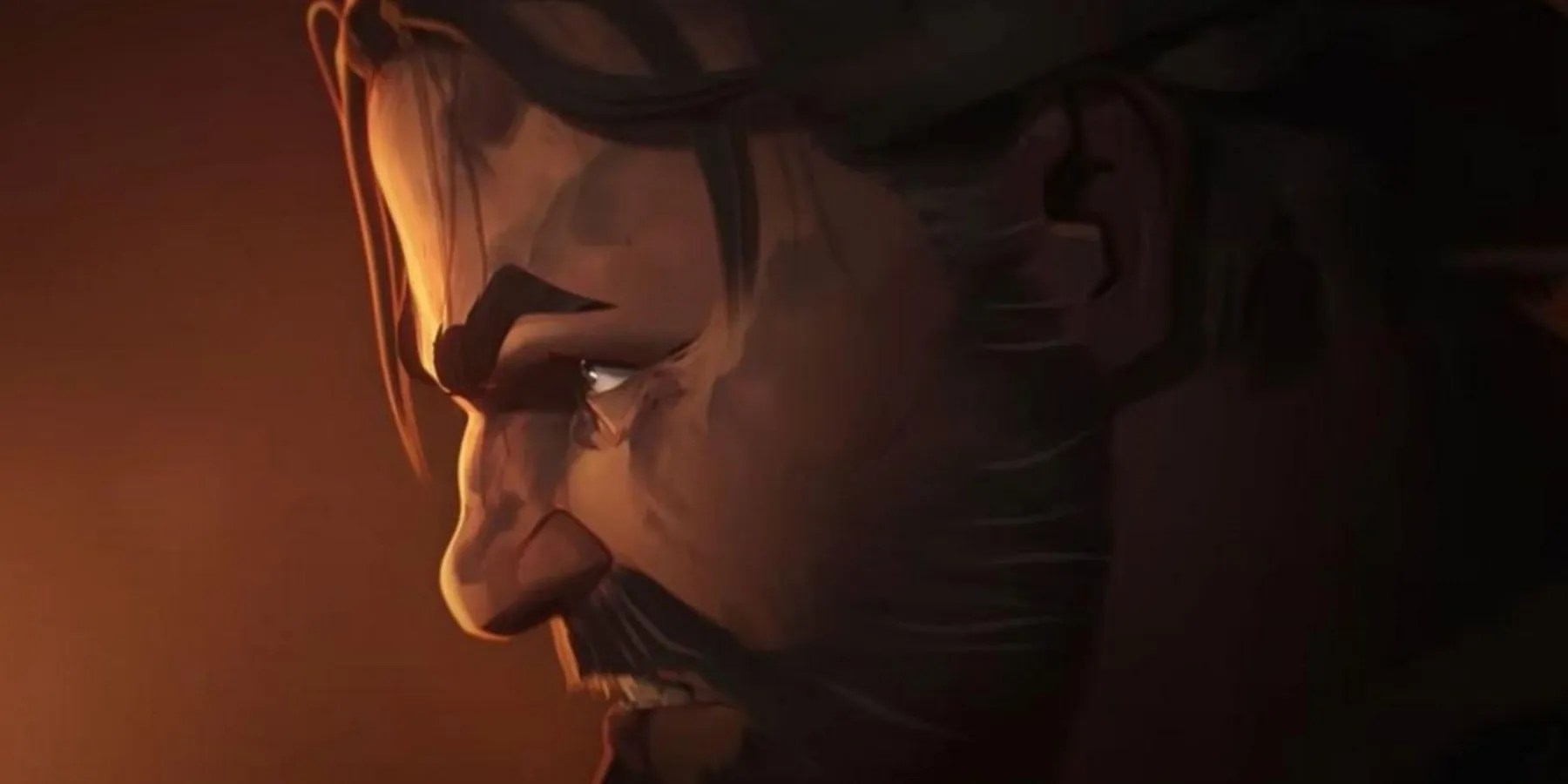
Even Silco, thecomplicated villain of the show, has a moment, one where he is seen putting on makeup to hide the extent of his facial scarring. He is not a figure obsessed with beauty, cosmetics, or even looking beautiful, but he still has this one moment that doesn’t affect his overall masculine appearance throughout the show. Another example is howthe significantly introduced Ekko, and Viktor both cry.
If this all the show was doing it would still be important, allowing these characters to have feminine moments making them more interesting and realistic, but that’s not all these moments are trying to convey. What’s interesting is that after each one of these typically feminine displays of character, their character is unaffected, showing that it is more than okay for a masculine presenting character to have these moments of femininity.
A person can be the manliest man out there, but they are incredibly fragile, all it takes is for a moment of ‘weakness’ like bursting into tears, for their entire personality to be shattered - they areemasculated.The men ofArcanehave these moments, but importantly they are shown to not be affected by it, having typically emasculating moments (to phrase it in the negative) coming out from them exactly the same, something even stronger than before.
Arcaneexamined the roles of women in the show, broadening what they are typically stereotyped to be, and tacking head on the very topical gender inequality surrounding this very thing in modern society today. The men of the show do this a little too, but they primarily are used to counteract the toxic mentality of ‘manning up’, and how a lot of masculine resenting men today are expected to act and behave in a certain way that conforms with the fragile masculinity society has thrown upon them.Arcaneis showing how a person can still be masculine, but they are not defined or imprisoned by acting masculine all the time, and that in fact these moments of femininity interjected into the character are what make them better, stronger, andmuch more compelling.
