The Borg are potentially the most memorablevillains of any sci-fi show, with their skin-crawling assimilation, and heartless annihilation of life throughout the universe. Akin to theDaleks ofDoctor Who, they remain one of the primary antagonists of theStar Trekuniverse, appearing inThe Next Generation,Voyager, briefly inDeep Space 9, and most recentlyPicard.While continuing their terrifying consumption of living matter throughout their portrayals, their representation has evolved over time, giving more and more depth to the “race.”
The Borg, also known as drones, are a pseudo-species of cyborgs. They exist as part of the Borg Collective, linked into a hive mind, which connects all of them and allows information from every drone within the collective to be shared. They travel the universe in pursuit of their own personal brand of “perfection” through the forcible assimilation of diverse sentient species. When assimilated, the being would be absorbed into the hive mind. Due to the overwhelming amount of information at their disposal, the Borg are among the most powerful and feared entities in the galaxy.

RELATED:This Forgotten Dystopian Sci-Fi Movie Features An All Star Cast
Audiences are first introduced to the Borg during the second season ofThe Next Generation.The mischievous Q, in an attempt to show humans how puny they are, teleports Picard and the Enterprise into an unexplored area of space, where the Borg had established a presence. Just as Q had planned, the Borg attempt to assimilate the crew, using their advanced technology to quickly and easily defeat the Enterprise. Just before all is lost, Q, having proved his point, teleports them away, but not before the Enterprise loses 18 crew members.
The encounter is a memorable one for bothaudiences and Picard, as up until this point in the show no threat has ever come so close to standing up to the overwhelming power of Starfleet. While the actions of Q are seemingly ill-intended, it can be argued that this encounter was a blessing in disguise,allowing Starfleet to preparefor the inevitable onslaught of cybernetically enhanced supervillains.
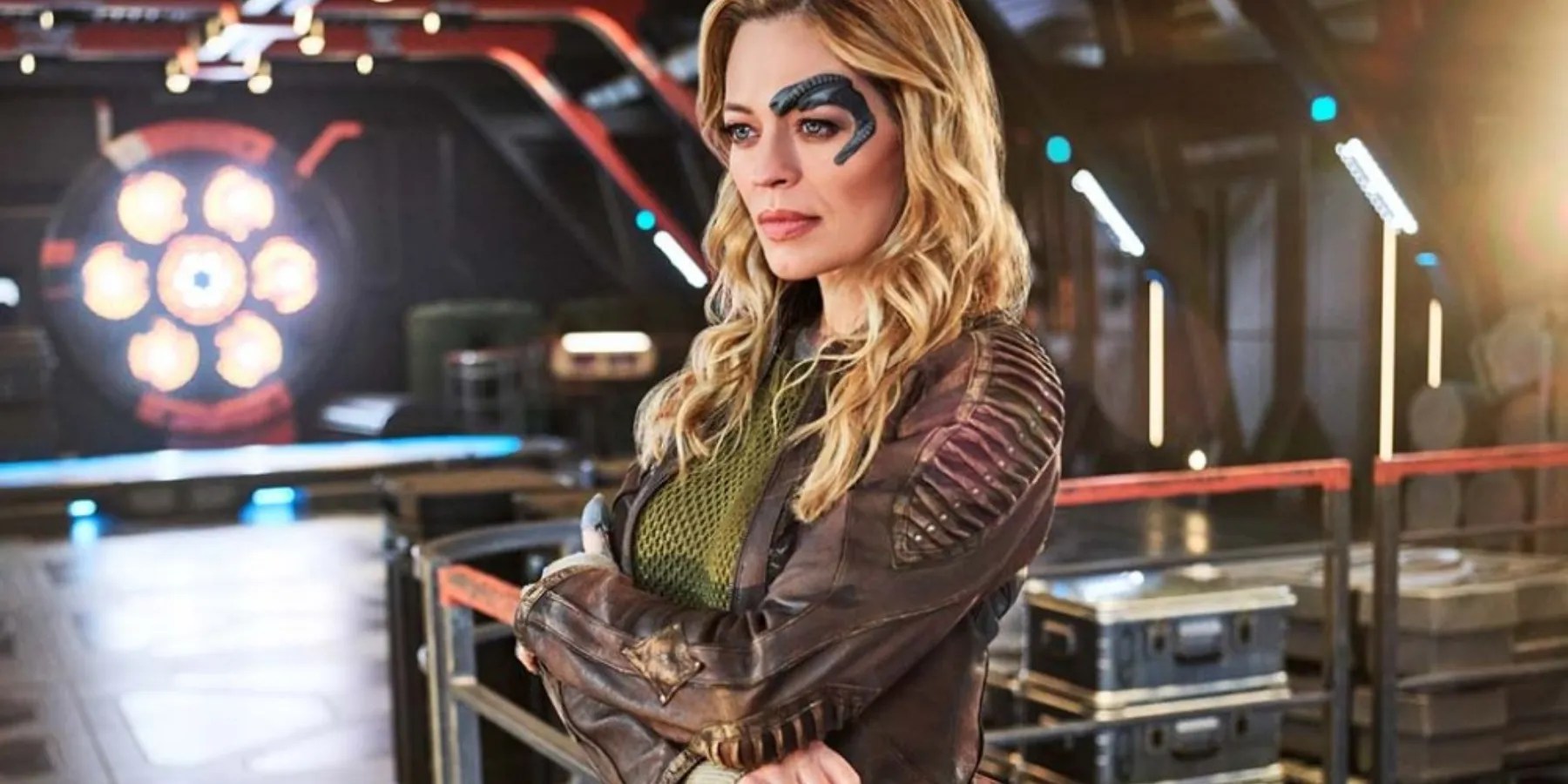
As Borg presence grows within theStar Trekuniverse, more and more of their characteristics reveal themselves, but they also start to contradict. The most notable example is between their representations inThe Next Generation,First Contact,and thenVoyager.The Next Generationsets them up to be a faceless computer of sorts, traversing the universe and collecting processing power to transform themselves into the most effective and perfect machine. Protocol and algorithms run their every action. This was the case even when Picard was assimilated, becoming the first known named Borg (Locutus), an individual designation opposed to being just another drone within the hive mind. While this was most likely done to set Picard’s Locutus aside from the rest and create a stronger impact, it can also be explained when one compares him to a processing component in a computer. Heismore important, as his knowledge of Starfleet gives the Borg the advantage they were after at this time.
It was when the Borg queen made an appearance inStar Trek: First Contactthat things started to change for the Borg, and their narrative took a drastic change. Up until this point, the Borg were antagonists, but they weren’t necessarily evil. There was no malicious intent or cruelty behind their actions; they were just machines carrying out a function they were given. They weren’t evil or good; the humanoid construct of morality did not apply to them. The Borg queen, portrayed by Alice Krige, brought order to the multitude of voices within the Hive mind and provided a common direction — much like the queen of an insect colony.
The problematic aspect of the Borg queen, however, is that she has a unique personality and a sense of individuality that normal Borg are not allowed. While this gave a face to the previously faceless conglomerate of nastiness sweeping across the universe, she was also human in all the worst ways: angry, jealous, scared, and easily manipulated, making the Borg vulnerable in a very human way. With her introduction, the Borg were no longer a force of nature. Rather, they were a cognitive and malicious living entity, giving them a sense of morality they lacked previously.
The Borgchanged yet againduring the sevenseasons ofVoyager. Seven of Nine was a masterful example of a disassimilation, a result of leaving the collective and slowly regaining one’s humanity. However, the rest of the Borg lost what made them such a great villain. As the show’s creators wanted to involve them more frequently as recurring antagonists, it became apparent that they needed to be seriously weakened so that they did easily wipe out Janeway and her crew, since the Voyager is not even battleship. As each interaction with the Borg came and went with no lasting consequences, the Borg were shown getting weaker and weaker, easily avoided and manipulated, and even reasoned with. The Borg queen makes more appearances, even striking a deal with Janeway. This portrayal is miles away from the unreasoning, single-minded Borg introduced inThe Next Generation.
The Borg are a perfect example of what can happen when writers over utilize an evil unstoppable threat in a franchise, making them out to be undefeatable and then backtracking when they inevitably have to bedefeated by the heroes.The Next Generationmade them the unyielding force,First Contactshowed audiences how dangerous they were.Voyager,though,reduced them to nothing more than an episode-long, easily defeatable threat — a race of mindless beings bubbling around a giant cube.
